
Site management
Someone who turns up
Coordinating trades, holding dates, looking at the work while it is still visible, and recording anything that departs from what was agreed.
A site does not go well because everyone on it is good. It goes well when someone holds the order of work in their head.
A flat renovation quickly involves six to ten firms. Every one of them can work correctly and the site still stops, because the screed is not dry yet while the tiler was booked for this week and is somewhere else the next.
This supervision replaces neither a designer nor a structural engineer. It is what is missing between the appointments: a person who thinks and counts on your behalf between the survey and the work.
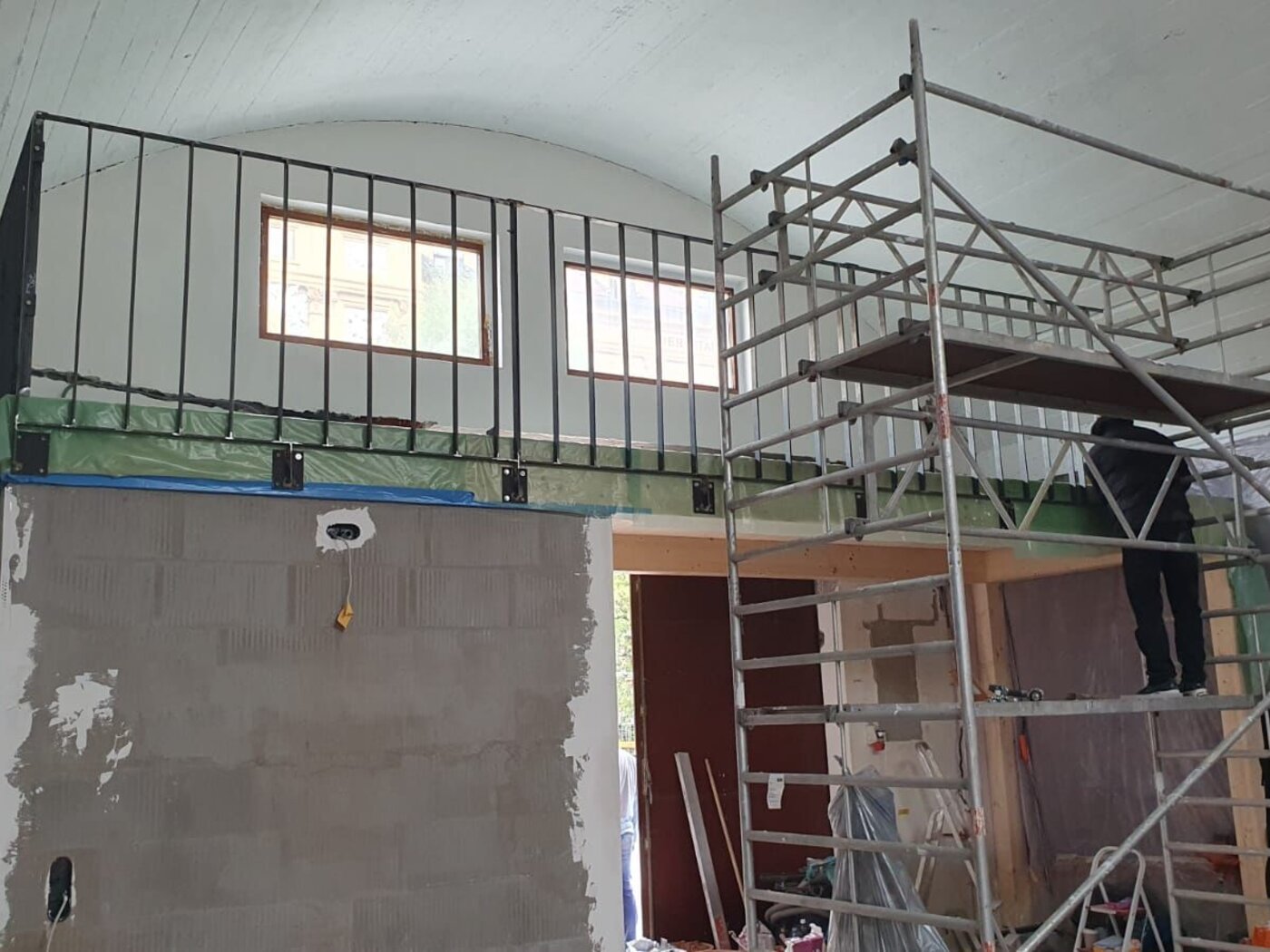
Tasks
Five things that actually happen
Coordinate the trades
Who comes when, and what has to be finished first. The commonest reason a small site stands still is not missing material but two trades waiting for each other without knowing it.
Hold the dates
A programme that is kept up to date, rather than one that stops applying at the first delay. If something moves, everything after it moves too, and that needs saying before someone notices.
Look at the work
Being there while something is still visible. Waterproofing, a service run, a floor build-up can only be checked in a short window. After that, checking means taking it apart.
Record the deviations
Anything built differently from what was agreed is recorded with a photograph and a date. Not to blame anyone, but so that later it is not your word against another.
Count for you
Variations, extra quantities, items that suddenly appear on an invoice. A second look at those is usually cheaper than the variation itself.
Who it is for
Three situations where it pays
Owners who are not local
The flat is in Innsbruck, you are not. Someone still has to go, and at the moments when there is something to see.
Heirs and estates
A property that concerns several people, and decisions that have to be traceable. Documentation here is not a formality; it is what keeps the peace.
Buyers before handover
Between contract and keys lies the phase in which defects are still cheap. After it they are yours.
From his own archive
Documented while it was still visible
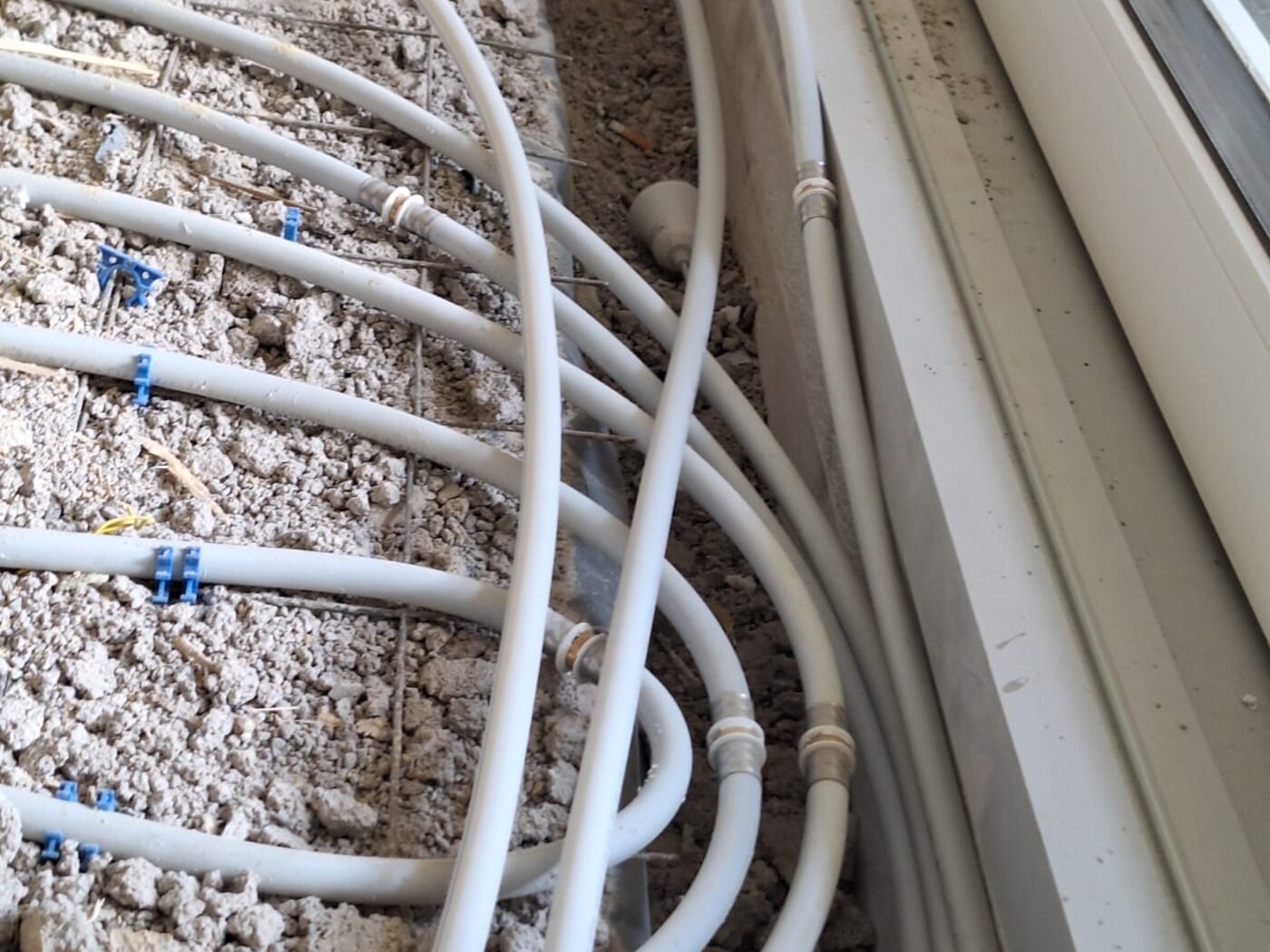
Recorded before closing up: the run is not visible afterwards. 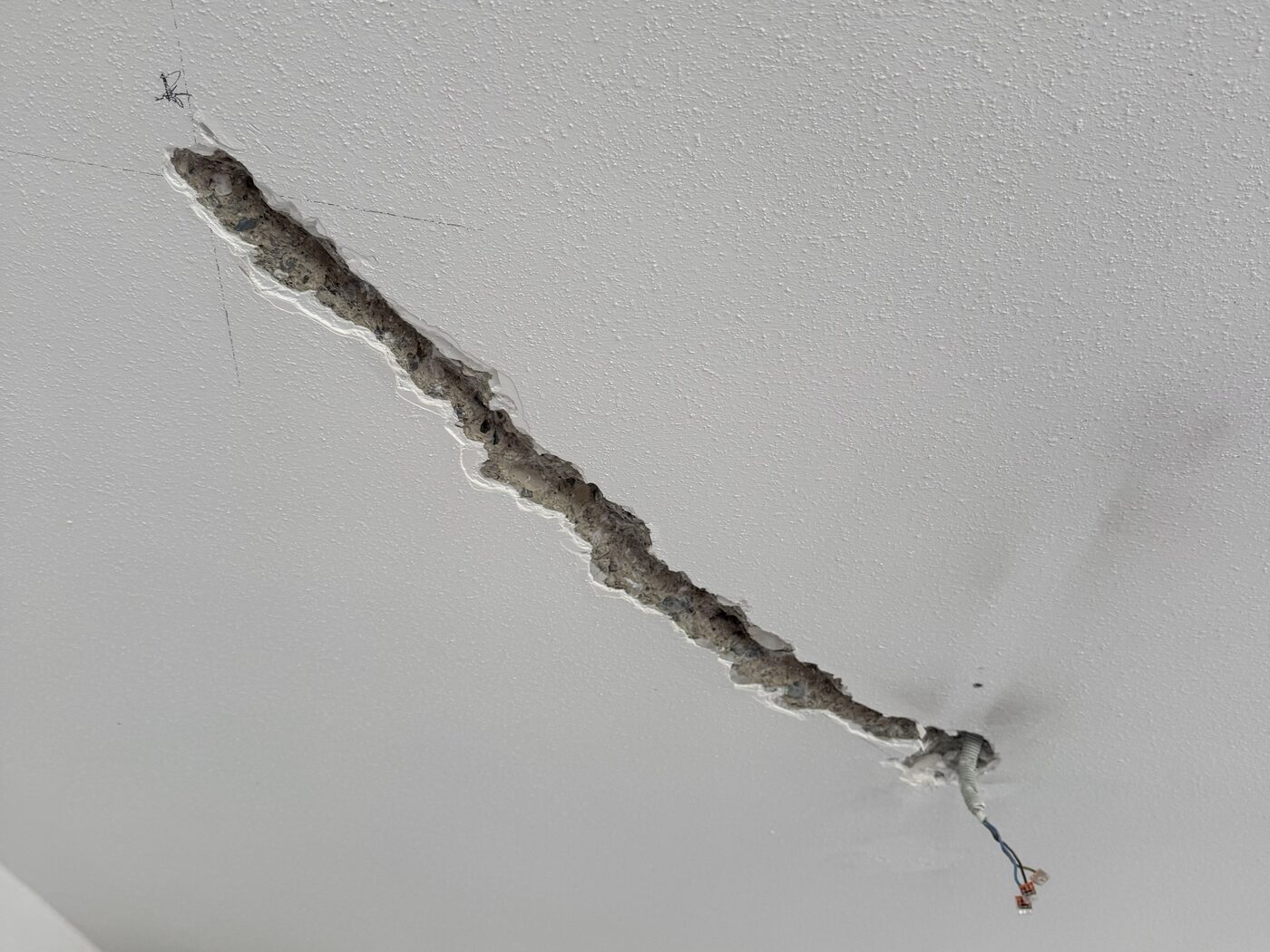
A finding, recorded with a date so it stays comparable. 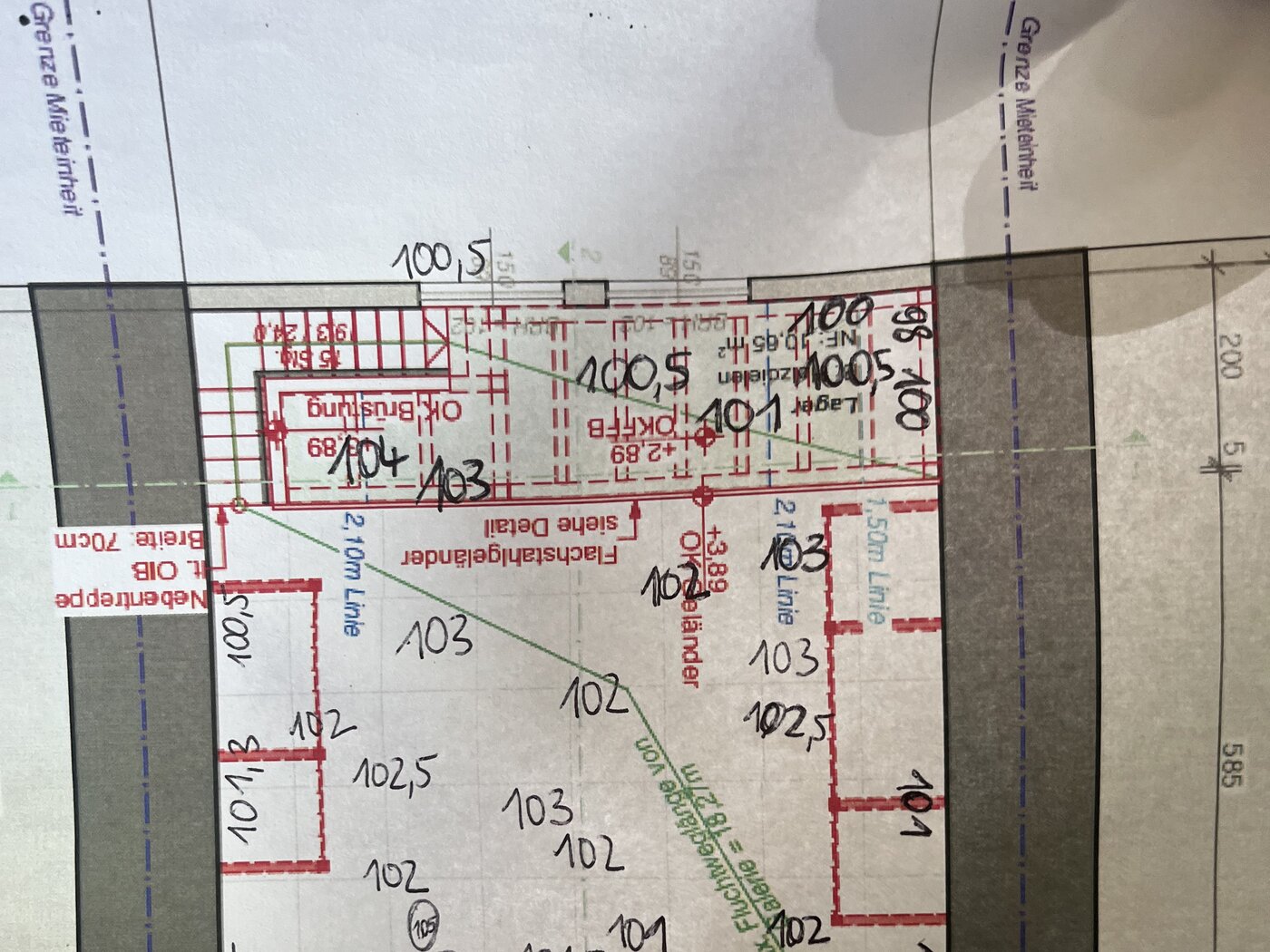
The plan with the markings that become the built work. 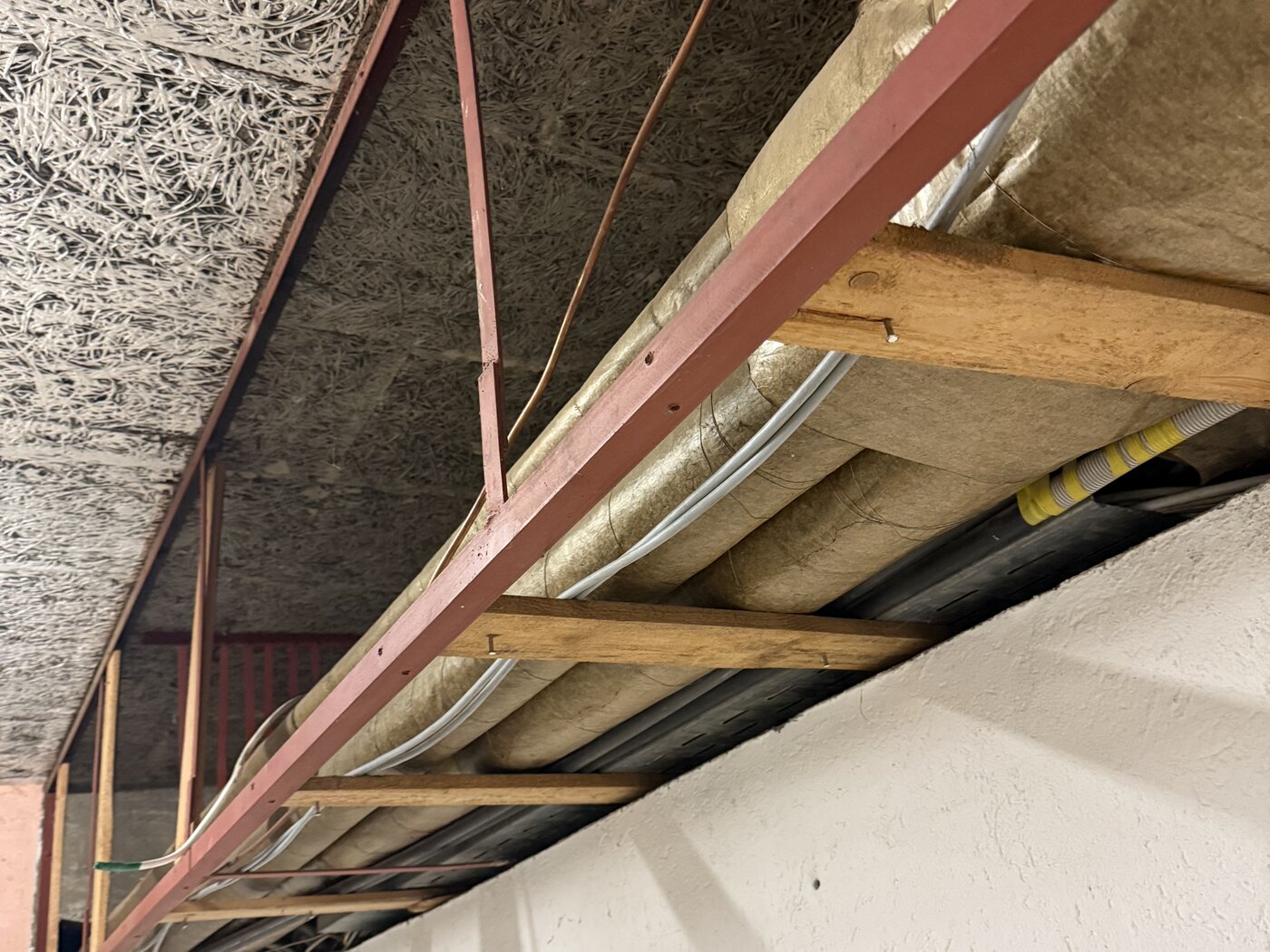
A support, before it is boxed in. 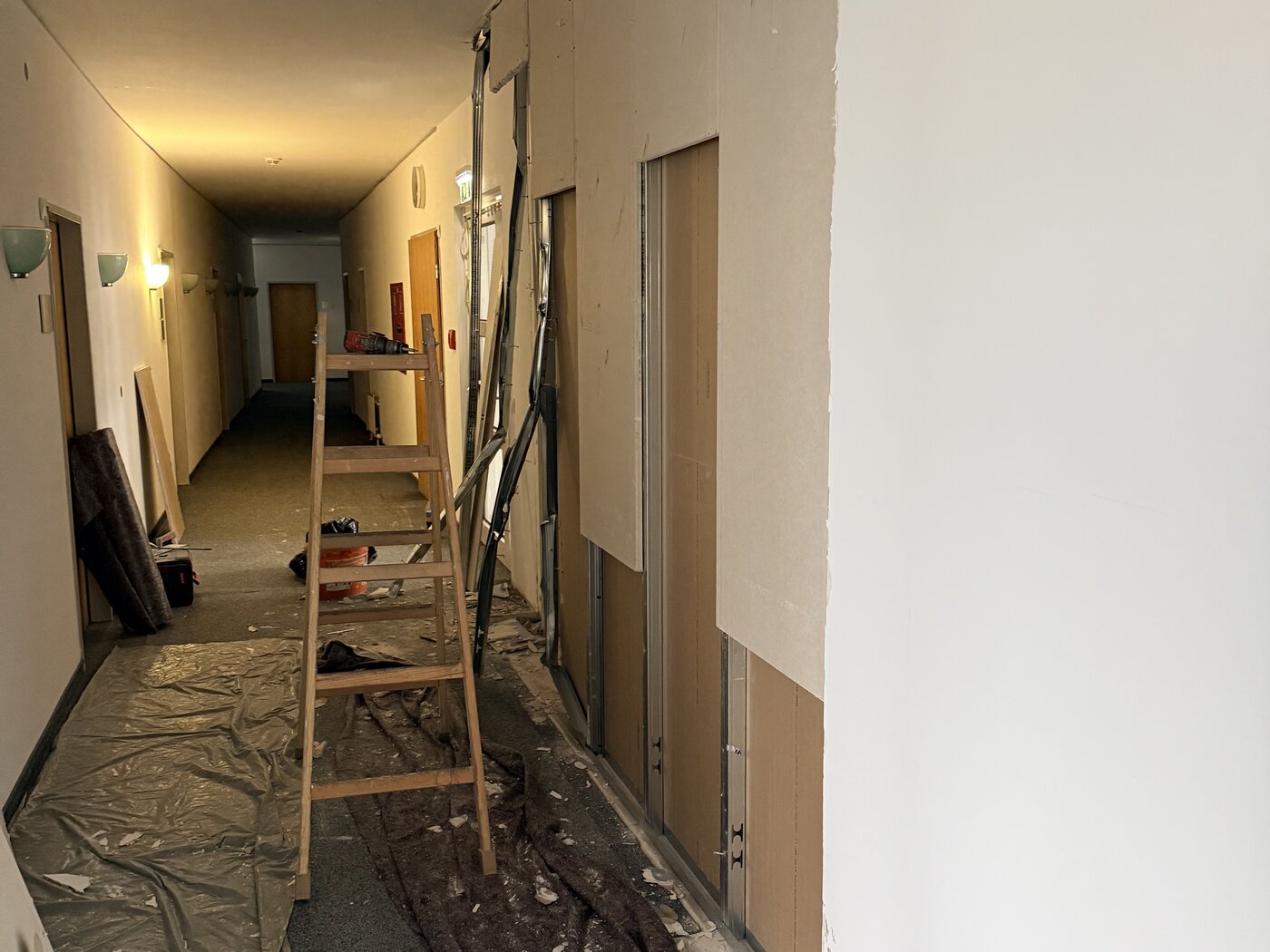
A covered floor in an occupied building. 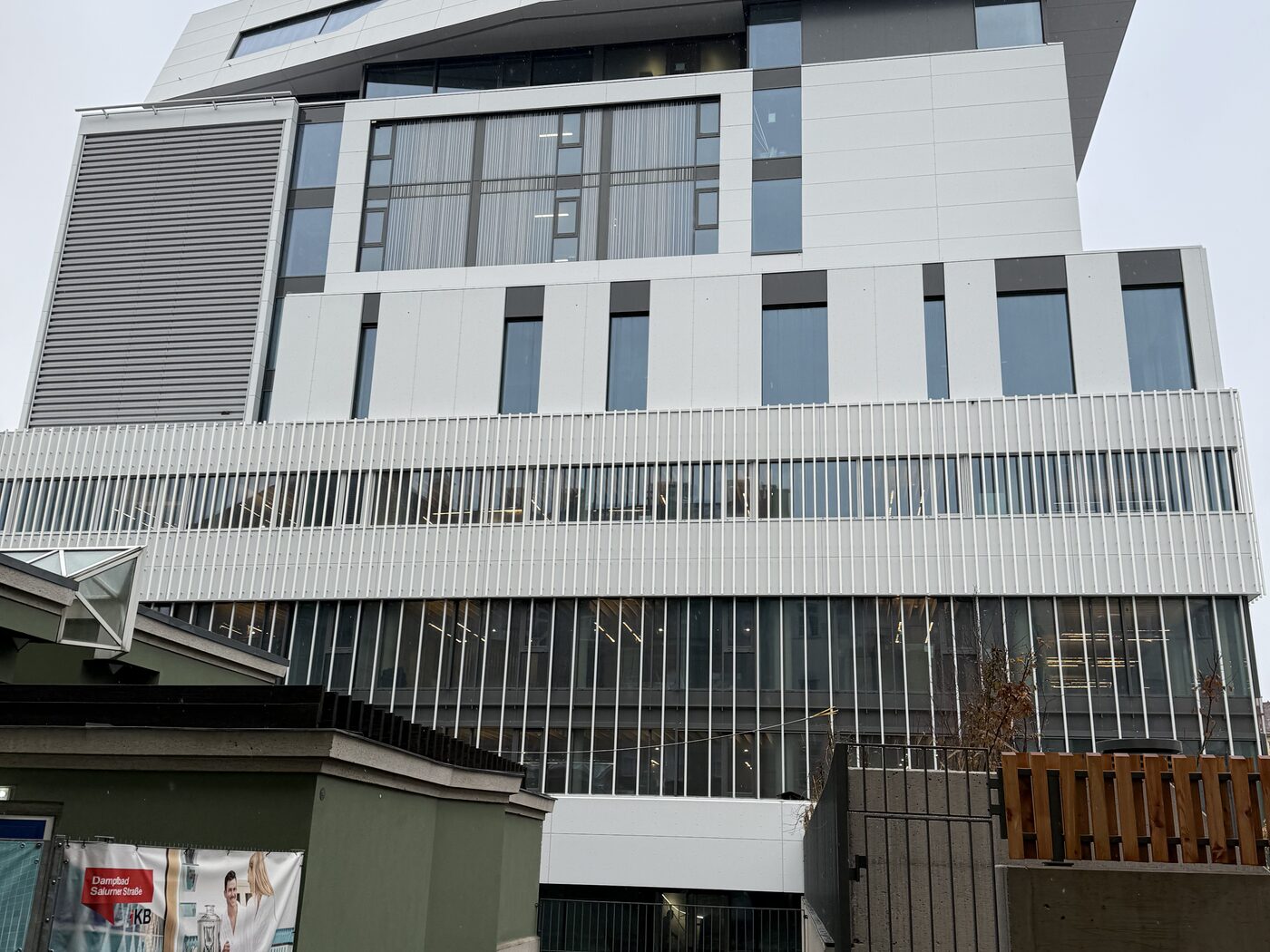
A site in town, under ongoing supervision.
How it runs
From taking over to handover
Taking over
We go through the design, the quotes and the state of the works, and record what has been agreed. Without that starting point no deviation can be established later.
Ongoing supervision
Site visits timed to the stages of the work rather than to the calendar. After each visit you hear briefly where it stands.
Handover
The walk-through, the defects list, the deadlines. And the documents you will still need in ten years when someone asks what is behind that wall.
Who turns up for you?
Say briefly which property and what stage. After that you will know whether supervision is worth it in your case.