
Condition
Look before you calculate
A record of the actual condition: cracks, damp, build-ups, services. Documented with a tape measure and a photograph, so the numbers afterwards stand on something.
The most expensive sentence in a property purchase is: it looks fine to me.
After a twenty-minute viewing almost everything looks fine. Furniture stands in front of the corners, fresh paint covers the rest, and the questions that cost real money sit under the floor and above the ceiling. A condition survey inverts that: it looks exactly where nobody looks voluntarily.
The result is neither reassurance nor alarm, but a basis. Afterwards you can talk about the value or about the renovation, but you are no longer talking about guesses.
When it makes sense
Four occasions
Before buying
You want to know what you are taking on before the contract is signed. A walk-through with two people says more than any brochure.
Before selling
Known defects are not a disadvantage; unknown ones are. Knowing the condition first means negotiating about facts rather than suspicions, and no surprises at handover.
Before renovating
A cost estimate without a survey is a wish list. Only the survey shows which works actually belong together.
After damage
Water, damp, a crack that was not there last year. Recorded with dimensions and a date, so that later it is clear what was there when.
What is looked at
Four things that make the difference
Cracks
Where it runs, how wide it is, whether it sits in the plaster or goes through the element. Measured and photographed, so the next visit can tell whether it is still moving.
Damp
Corners behind fitted units, skirting zones, the junctions at bathroom and kitchen. The places nobody sees while the furniture is still standing.
Build-ups
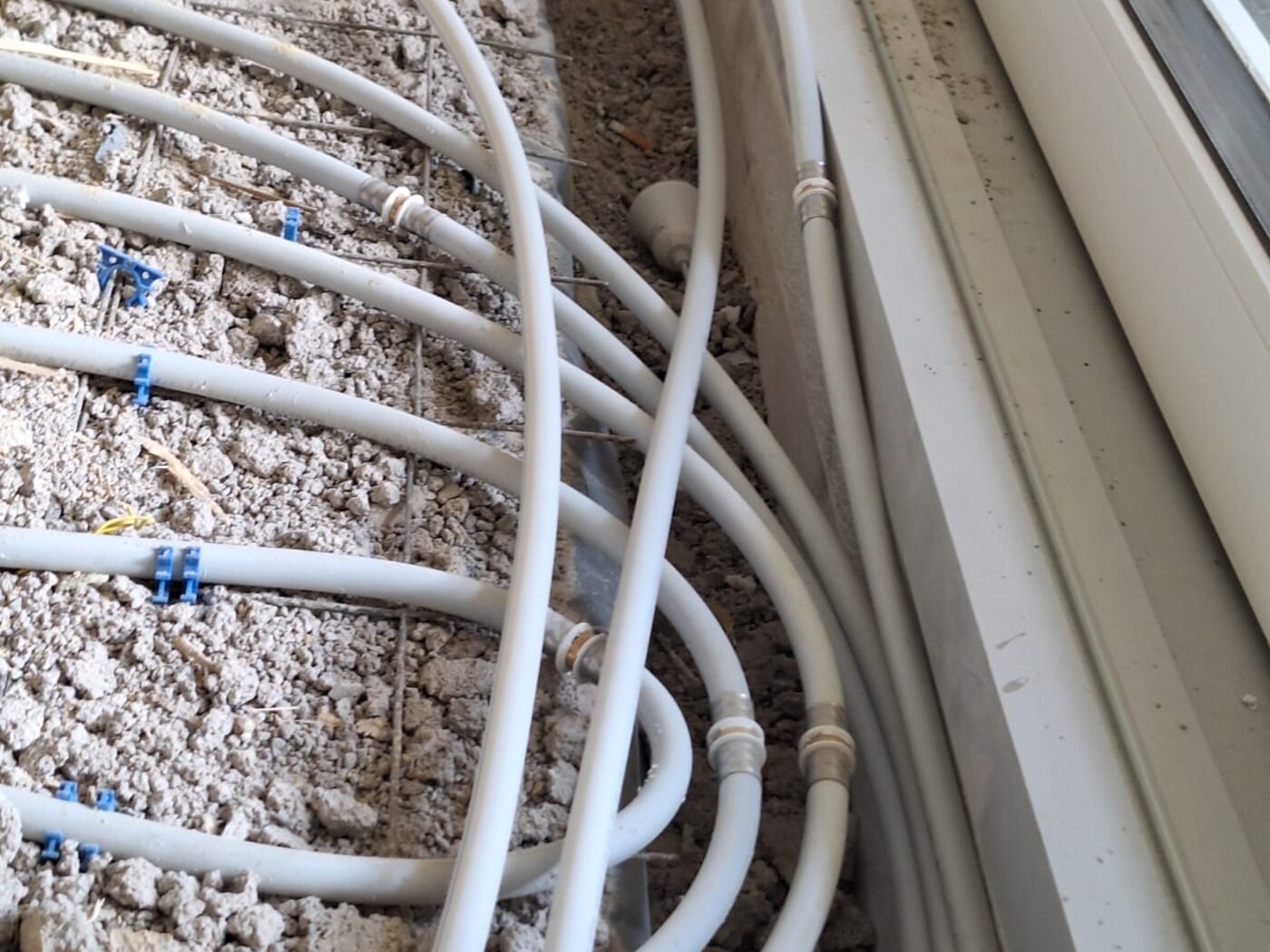
What lies under the floor and what hangs above the ceiling. One opened spot answers questions that an entire calculation otherwise rests on.
Services
The age and condition of power, water and waste, ventilation, heating. Often the item that makes a renovation expensive, and one that appears in no listing photograph.
From his own archive
What a survey looks like
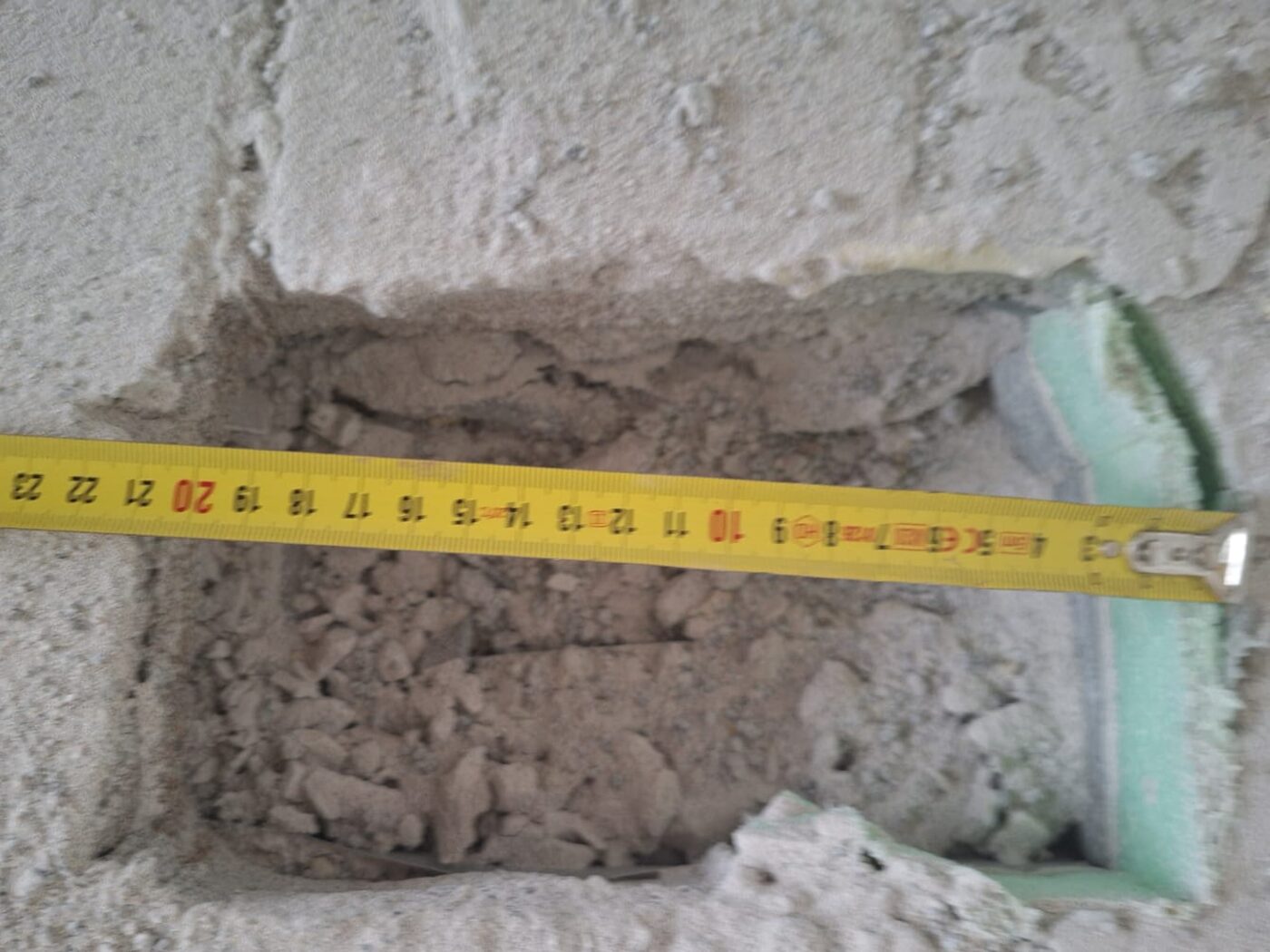
An opened spot with a tape measure laid against it. 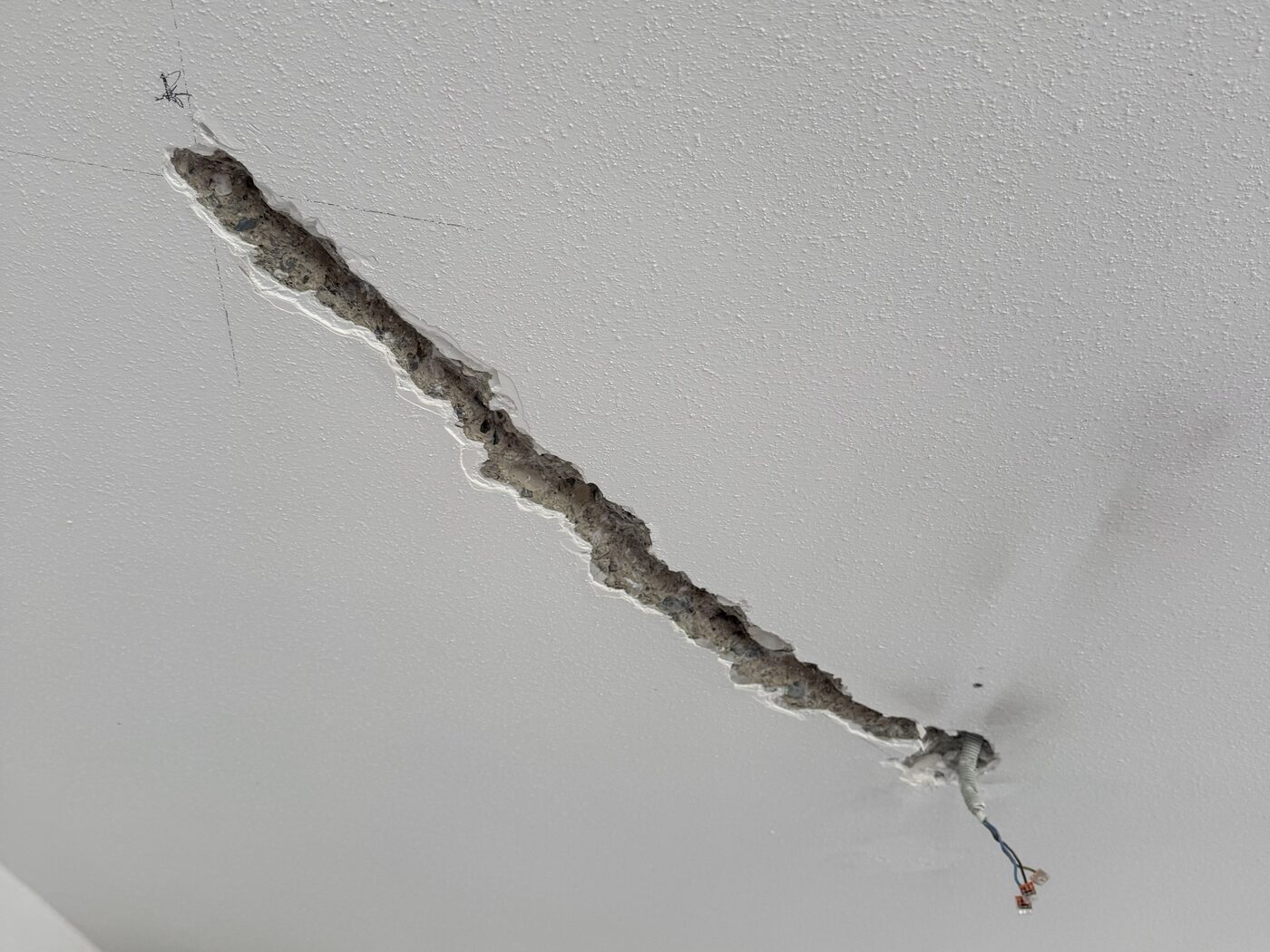
A crack across the ceiling, a cable emerging at its end. 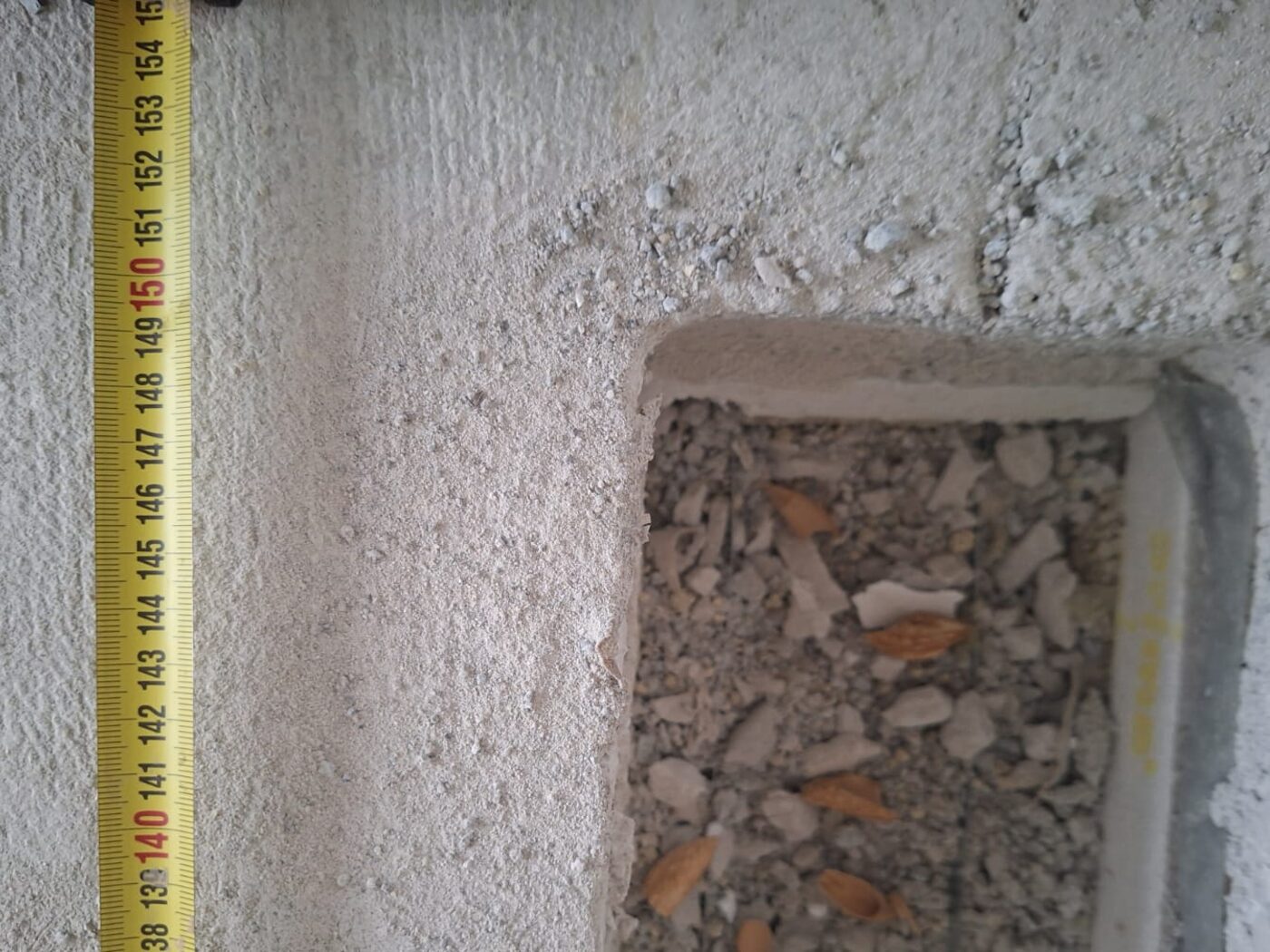
Concrete opened, build-up height measured. 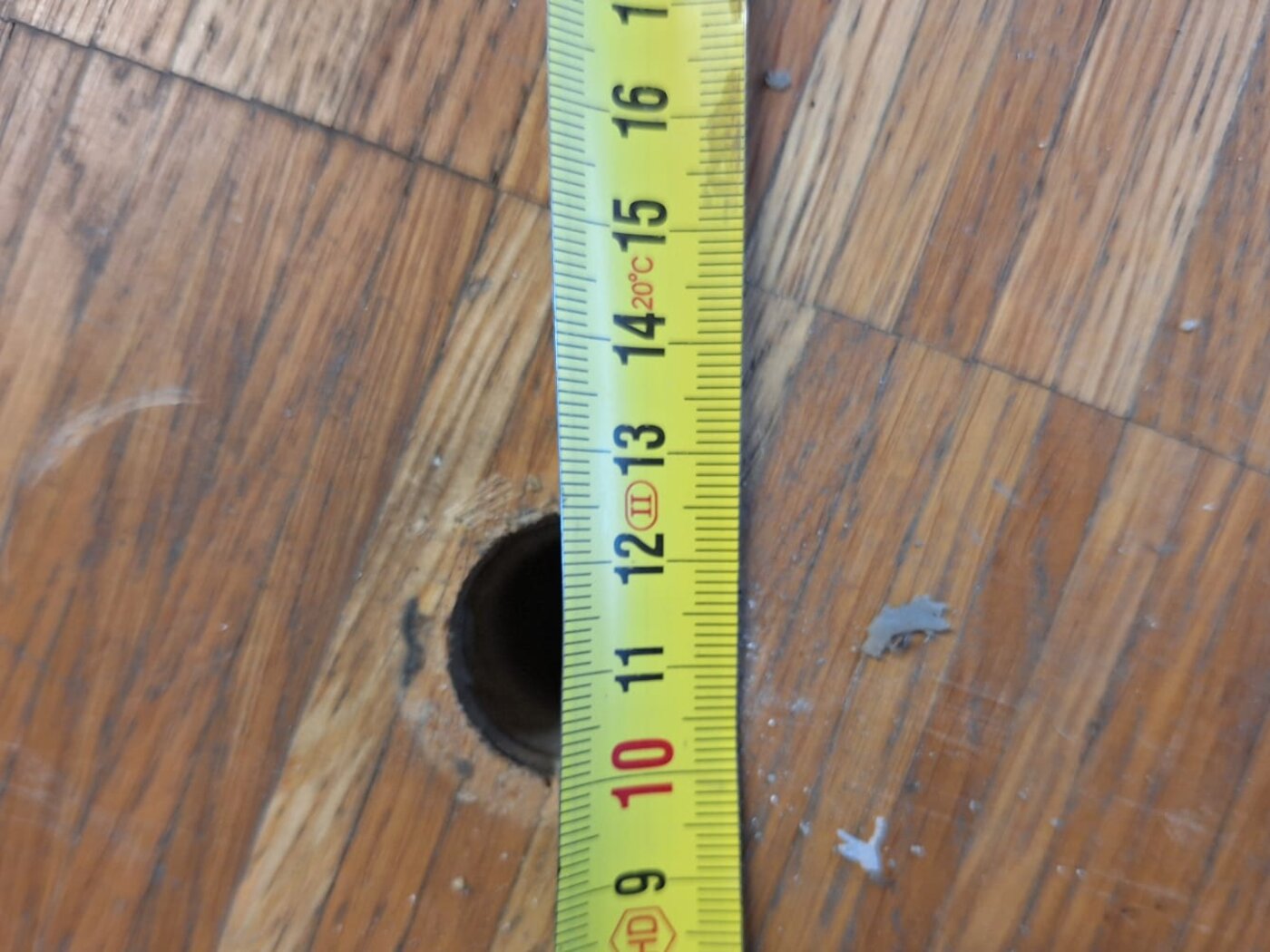
Floor build-up, measured at a bore hole. 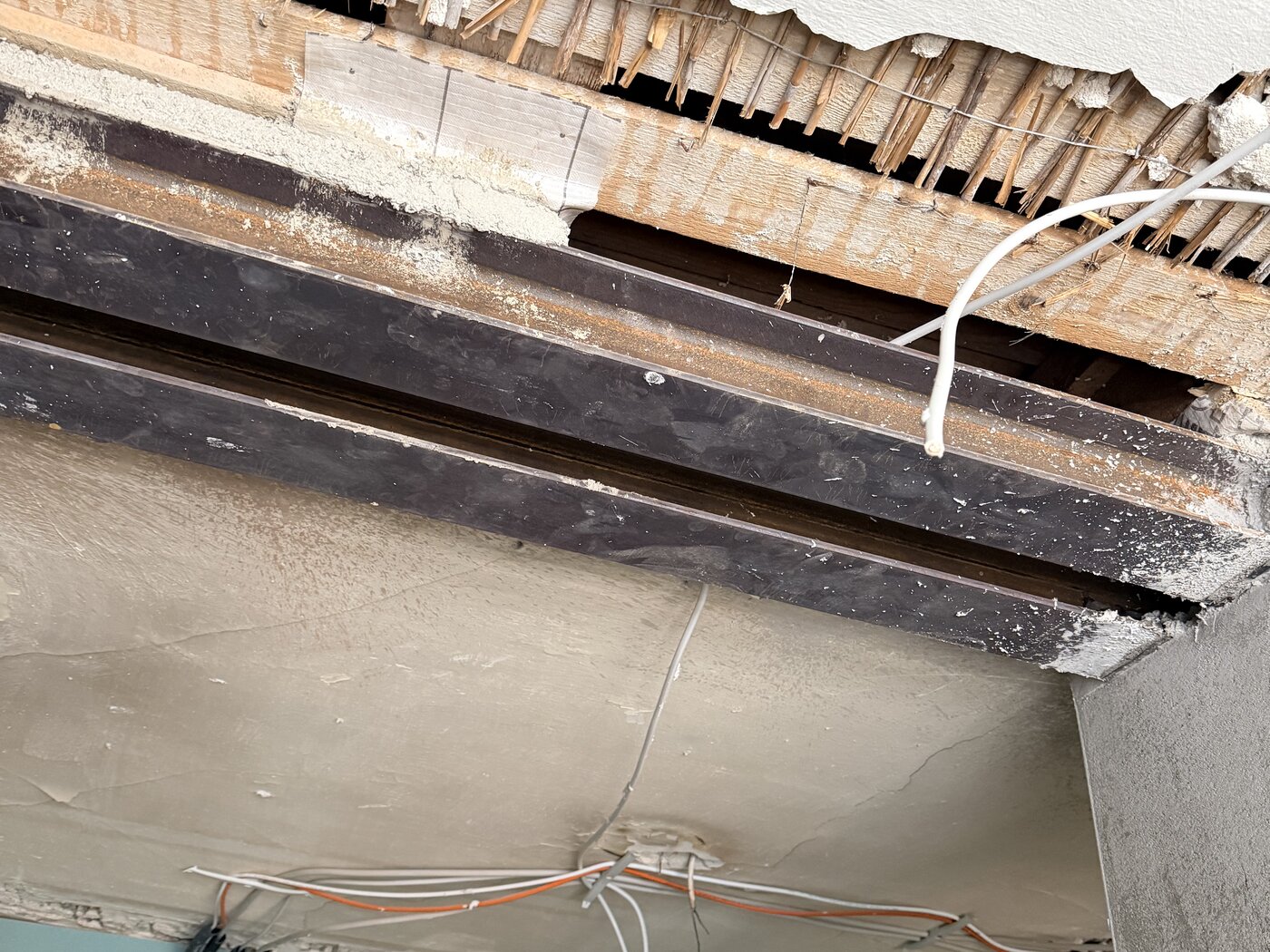
Ceiling opened: lath, beam and services in one view. 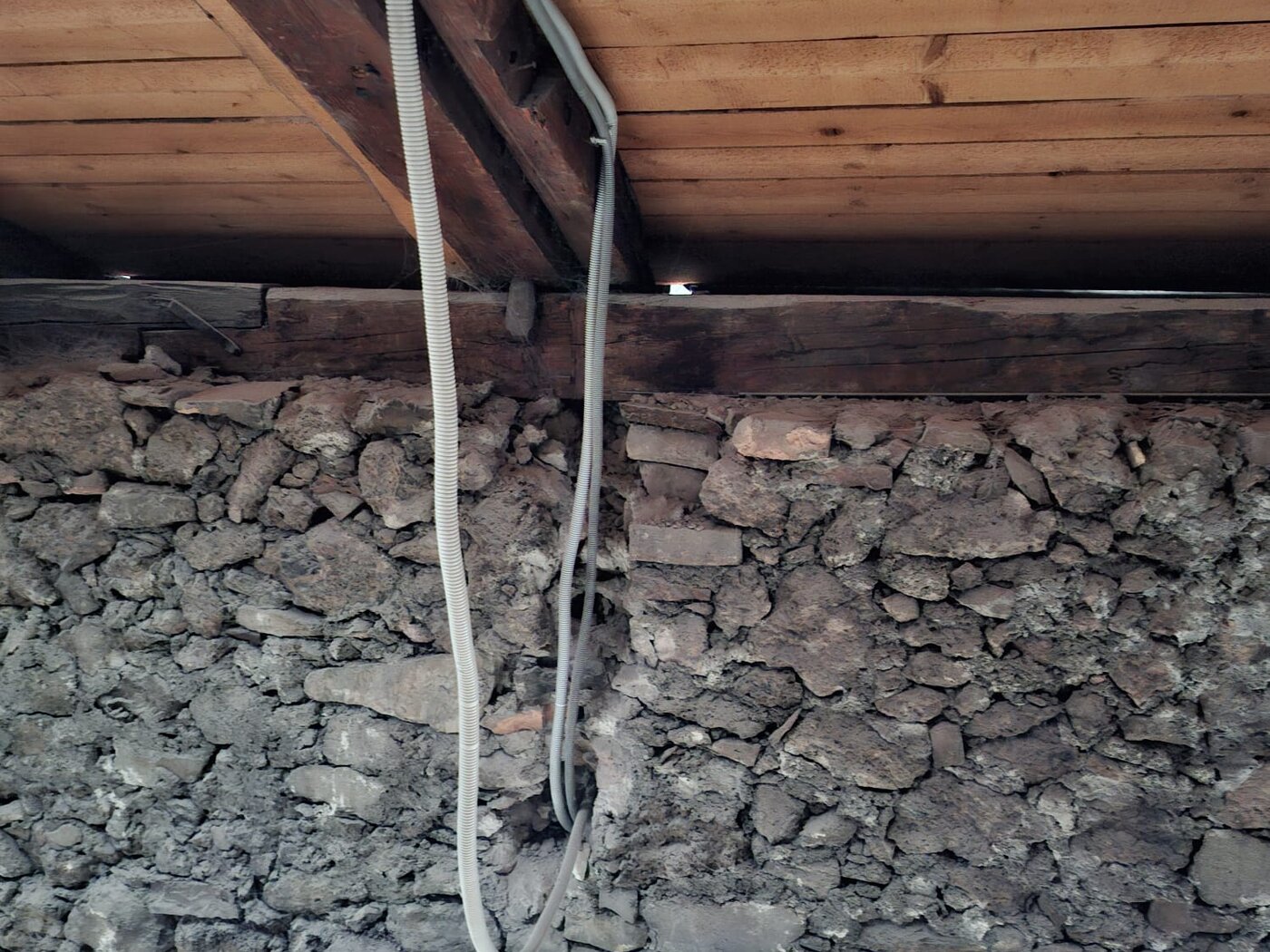
The attic: substance and services both lie open here. 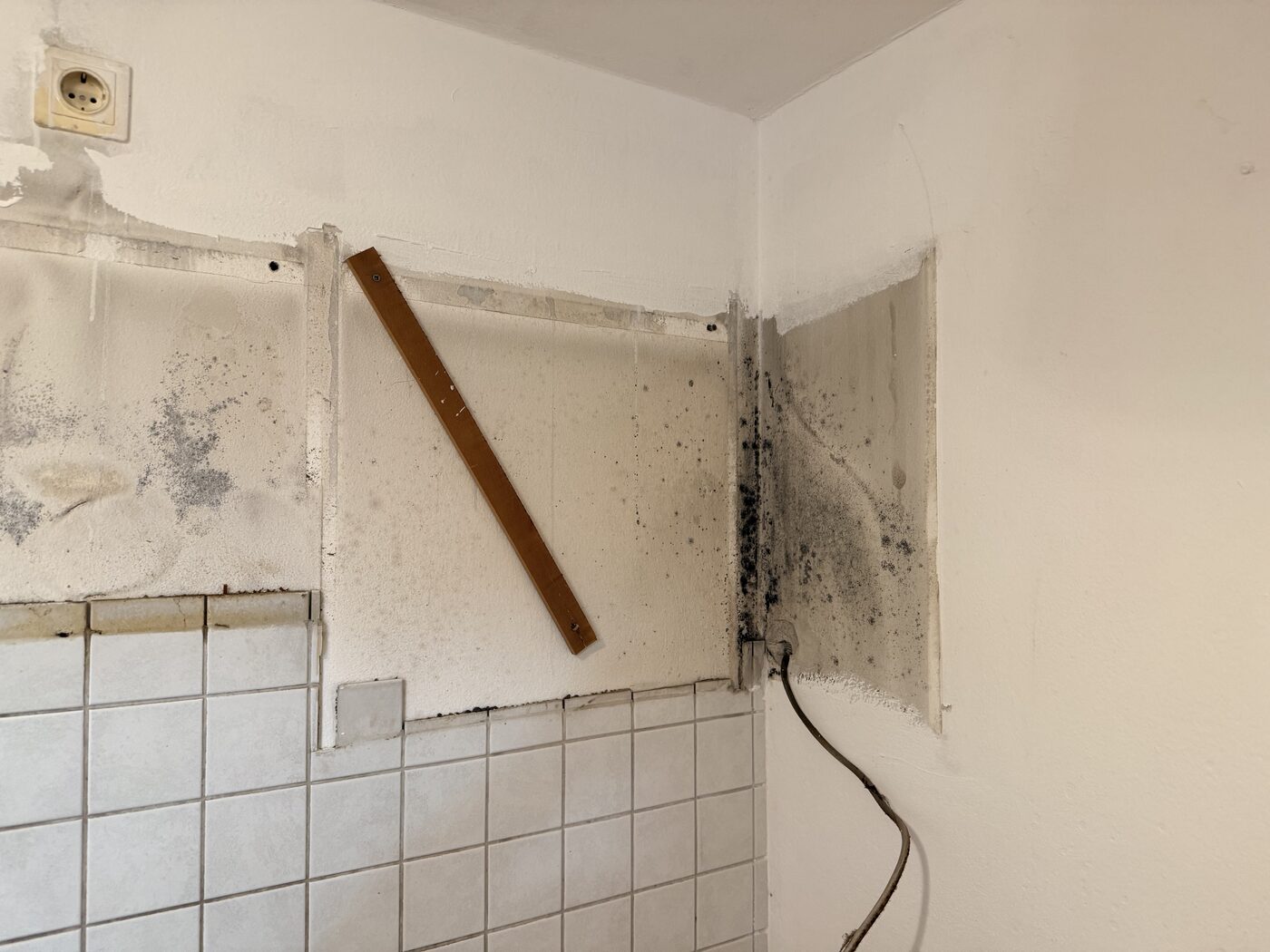
Damp behind a kitchen run that has been taken out. 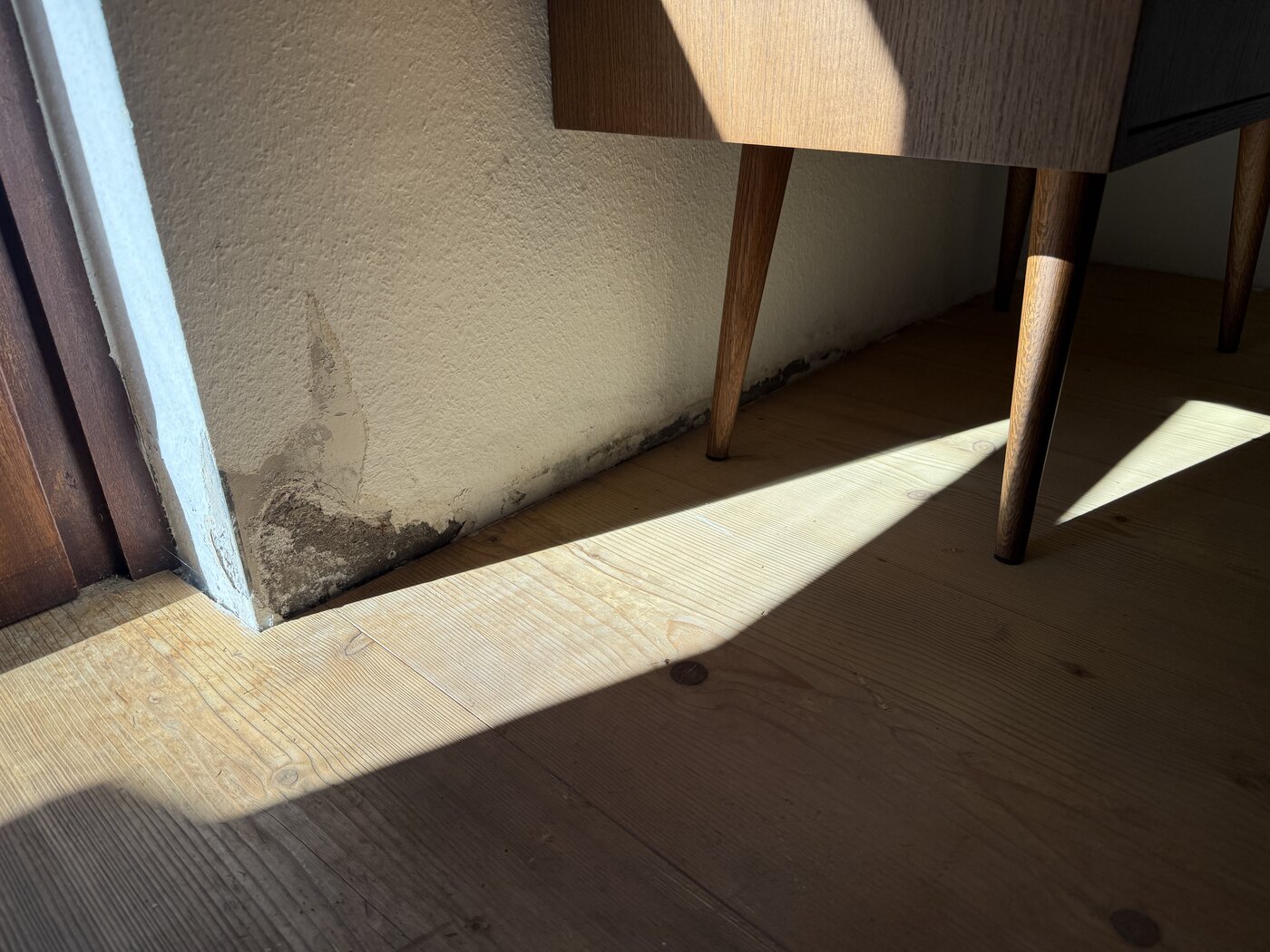
The base of a wall behind furniture. Only someone who looks sees this.
How it runs
Three steps
Appointment and walk-through
One to two hours on site, through the property together. You hear what stands out as we go and can ask straight away.
Recording
Photographs with dimensions, at the places that matter. Where a question cannot be answered without opening something up, that is said rather than skipped.
Assessment
What is damage, what is age, what is taste. And which of it has to come first, because waiting makes it more expensive.
Let's look at the condition.
Call and describe the property briefly. After that we both know whether an appointment on site is worth it.